Outdoor Shower Installation Services in Auburn, AL
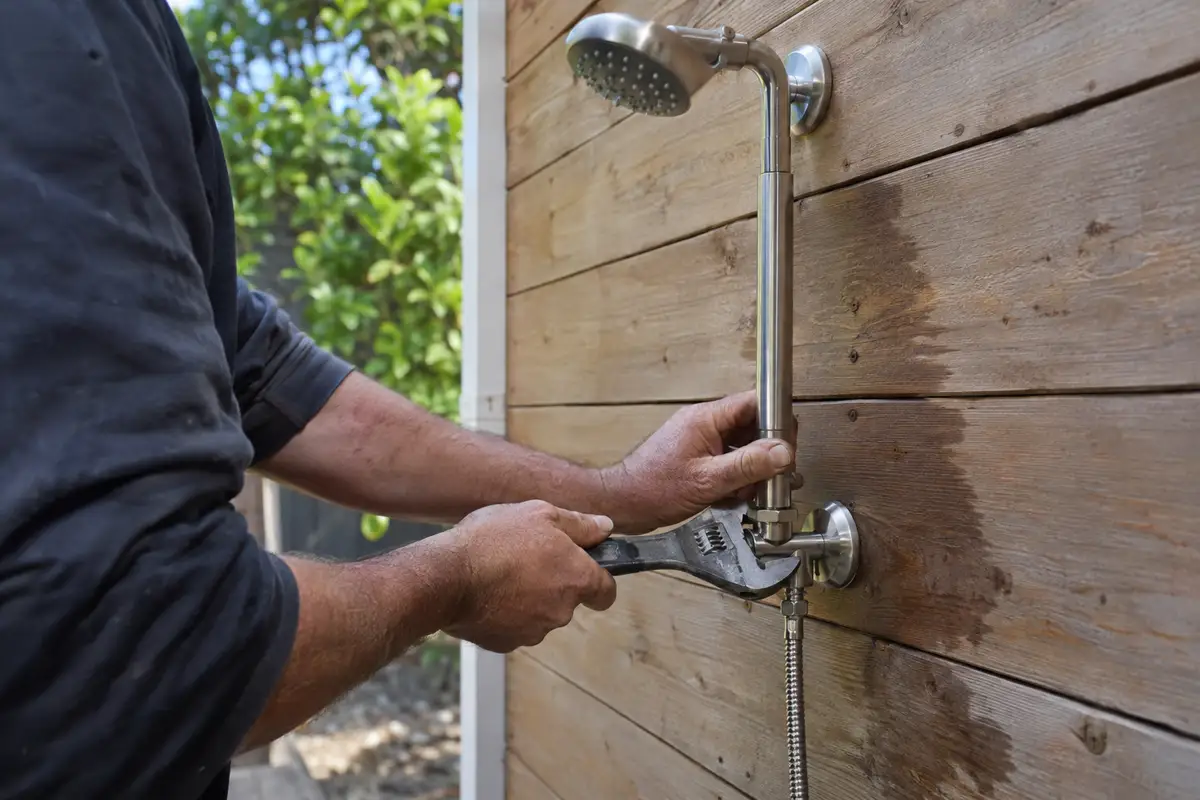
Outdoor Shower Installation Kings provides outdoor shower installation, poolside and beach rinse stations, and outdoor shower enclosure building services in the Auburn, AL area for both residential and commercial properties, from simple cold-water showers off a hose bib to hot and cold showers with a full privacy stall. Contact us now for a free estimate.
How Much Does Outdoor Shower Installation Cost in Auburn, AL?
Outdoor shower installation in Auburn, AL costs anywhere from $890 to $3,560 on average for a wall-mounted shower with hot and cold water, a simple enclosure, and gravel drainage. The price depends on how far the shower sits from existing plumbing, whether you want hot water, the enclosure size and wood, the floor, the drainage method, and permits.
Do You Install Outdoor Showers at Homes, Rentals, and Businesses?
Yes, we install outdoor showers at houses, beach homes, vacation rentals, pool clubs, and campgrounds. Tell us the property type and how many people will use it.
Do You Service My Area?
Yes, we cover the Auburn, AL area. Send us the property address and we'll confirm.
Do I Need to Winterize an Outdoor Shower in Auburn?
Yes, it is still wise. Auburn's winters are typically mild, with about 0.7 inches of snow a year, while its summers bring about 57 days at 90 F or higher, so most use comes in the warm months. We fit a shutoff valve and a drain point so you can empty the lines before cold nights and keep the shower ready for summer.
Can You Install an Outdoor Shower With Hot and Cold Water?
Yes, we tap your home's hot and cold lines and run them to a pressure-balance valve outside, which keeps the water from turning scalding.
Can You Hook an Outdoor Shower Up to My Hose Bib?
Yes, that's the cheapest option, but it gives you cold water only.
Can You Mount an Outdoor Shower on the Side of My House?
Yes, this is the most common and least expensive setup, since the water lines are right behind the wall. Tell us what your siding is.
Can You Install a Freestanding Outdoor Shower Away From the House?
Yes, we set a post or panel shower and run PEX lines underground to it. Tell us roughly how many feet from the house you want it.
Can You Install an Outdoor Shower Fixture I Already Bought?
Yes, we install fixtures and kits customers buy themselves. Send us the brand and model so we can check the valve and connections.
How Soon Can You Install My Outdoor Shower?
We schedule the work once you approve the quote and any permit is issued. We can install any time the ground isn't frozen, so book early if you want it ready for summer.
What Information Do You Need for an Outdoor Shower Quote?
We need the address, photos of the spot, where the nearest water lines or hose bib are, and whether you want an enclosure. Mention any septic system or deck nearby.
Will I Need to Be Home During the Installation?
No, not for the whole job. We do need access to the basement or crawlspace where we tie into the water lines.
Do I Need a Permit for an Outdoor Shower?
Yes, in many towns, for permanent plumbing, hot water, or a sewer tie-in. A hose-fed shower rarely needs one. Your building department decides, and we can tell you what's usually required.
Can I Install an Outdoor Shower Myself?
Yes, a hose-fed cold shower is an easy DIY job. Tapping hot water lines or tying into a sewer usually needs a permit and a licensed plumber.
Can My HOA Stop Me From Adding an Outdoor Shower?
Yes, an HOA can set rules on an enclosure's size, height, and look. Send us your guidelines and we'll plan the stall to fit them.
Can I Get a Price Before the Work Begins?
Yes, we confirm the price first. If we find old galvanized pipe or hit rock while trenching, we talk with you before doing extra work.
How Long Does Outdoor Shower Installation Take?
A simple install typically takes about two weeks from start to finish. A freestanding shower with a buried line, dry well, and enclosure can take 6 to 8 weeks.
Where Does the Water From an Outdoor Shower Go?
We usually drain it into the ground through a gravel bed, dry well, or French drain. Some towns require shower water to go to the sewer or septic instead.
How Can I Tell if My Soil Will Drain an Outdoor Shower?
Pour a large bucket of water on the spot. If it's still standing after about 5 minutes, we'll plan a dry well or French drain.
Do I Need a Dry Well for My Outdoor Shower?
No, not always. Sandy soil with light use drains through gravel, but for clay or a shower near the foundation we dig a dry well 2 to 4 feet deep.
Can an Outdoor Shower Drain Into My Sewer Line?
Yes, we can have a licensed plumber tie it into the house sewer, which some towns require. It costs more than a ground drain and usually needs a permit.
Can I Use Soap in an Outdoor Shower?
Yes, in many places, but some towns don't let soapy gray water soak into the ground. Where it's allowed, we suggest biodegradable soap.
Can You Install an Outdoor Shower if My Home Has a Septic System?
Yes, but we keep the shower drainage well away from the septic tank and drain field. Show us where they are.
Can You Install a Shower Next to My Pool?
Yes, we install rinse showers by pools and on pool decks. A shower at the far end of the deck needs a longer supply line, so tell us where you want it.
Can You Install a Rinse Station or Foot Wash at a Beach House?
Yes, we install cold-water sand rinse stations and foot washes by walkways and entry stairs.
Can You Install an Outdoor Shower on a Deck?
Yes, we set showers on decks with spaced boards so water falls through. Tell us how high the deck is and what's underneath.
Can You Build a Privacy Enclosure Around the Shower?
Yes, we build wood stalls, slatted screens, and partial walls. A 3 foot square stall is the minimum, and 4 feet square is roomier.
Can You Add a Changing Area to My Outdoor Shower?
Yes, we can add a dry changing area with hooks and a bench, usually making the stall about 7 feet by 4 feet.
Can You Add a Tankless Water Heater for My Outdoor Shower?
Yes, we fit point-of-use tankless heaters or a recirculation pump when the hot water run is long. A tankless heater needs a gas line or a dedicated electric circuit, which adds cost.
Can You Install an Outdoor Shower Where Winters Freeze?
Yes, we put the shutoff inside the heated house, slope the pipes to drain, and can fit a frost-proof valve with a drain-down.
Can You Install an Outdoor Shower Near the Ocean?
Yes, we use 316 stainless steel, brass, bronze, or copper, and we avoid chrome and nickel plating, which wear badly in salt air.
Can You Repair or Replace an Existing Outdoor Shower?
Yes, we replace leaking valves, split pipes, and rotted enclosures. Let us know whether the pipes were drained last winter.
Do I Have Enough Water Pressure for an Outdoor Shower?
Yes, in most homes. We confirm your pressure can support another fixture first, and if it's already too high we fix that before adding the shower.
Where Is the Best Place to Put an Outdoor Shower?
We look for a sunny, private spot close to your hot and cold lines, on ground that drains well. Sun dries the stall and short pipe runs cost less.
Do I Need to Call 811 Before You Dig?
No, we request the free 811 locate before trenching. Point out private lines like irrigation or landscape lighting, since 811 usually doesn't mark them.
Will an Outdoor Shower Damage My Siding or Foundation?
No, not if it's built right. We seal the wall behind the shower and slope the floor and drain away from the foundation.
What Is the Best Floor for an Outdoor Shower?
We use stone at about $10 to $25 a square foot, composite at $7 to $12, or aggregate concrete at $4 to $8. We avoid fir and pressure-treated boards underfoot.
What Wood Is Best for an Outdoor Shower Enclosure?
We build most enclosures in cedar. Teak and ipe last longer but cost more, and pressure-treated lumber is fine for posts.
What Pipe Do You Use for an Outdoor Shower?
We use PEX for buried runs and Type L copper for exposed pipe, never galvanized steel. We add a backflow preventer, which most water authorities require.
Does an Outdoor Shower Add Value to My Home?
Yes, it can, especially at beach houses, pool homes, and vacation rentals. How much depends on your market, and an unpermitted shower can cause problems when you sell.
Do You Winterize Outdoor Showers?
Yes, we shut the inside valve, open the shower valve, blow out the low spots or add food-grade RV antifreeze, and bring the showerhead indoors.
How Do I Keep My Outdoor Shower From Getting Moldy?
Let it dry out. Leave the door open after use, seal the wood every year with an exterior preservative, and check for rot each spring. We raise enclosure walls about a foot off the ground for airflow.
